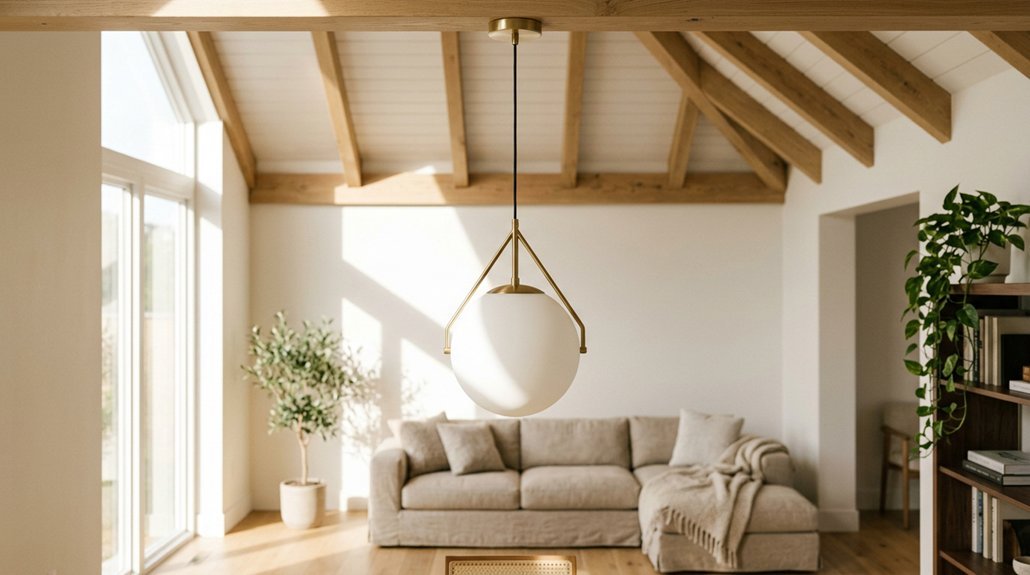
Only 17% of new single-family homes built in 2023 featured 8-foot ceilings, down from 78% in 2007, and you are witnessing a fundamental shift in how residential space gets measured, valued, and experienced.
Nine feet has become your baseline expectation, not your upgrade, while anything above 10 feet signals architectural intention, luxury positioning, or dramatic spatial volume that commands premium pricing.
The psychology is straightforward: your brain processes vertical space as freedom, possibility, and status, even when you cannot articulate why a room feels “right.”
But ceiling height operates on diminishing returns, and you will want to know exactly where those returns plateau before you pay for air you cannot use.
What Counts as High Ceiling Height in 2024?
How do you know when your ceiling crosses the line from standard to soaring? In modern homes, you’re looking at 9 feet as the entry point for high ceilings, with 10 feet pushing into very high or vaulted territory. The National Building Code still lists 8 feet as standard, so anything above that baseline creates immediate visual impact.
You’ll find 9–10 feet has become the new normal in production builds, especially on main floors where daylighting matters most. Vaulted ceilings typically break past 10 feet, turning living rooms into dramatic displays of light and volume.
Your perception of space shifts dramatically with each additional foot. That extra ceiling height isn’t just aesthetic; it’s a calculated upgrade that changes how you experience your home’s proportions.
Recommended Products

5 CCT Setting Modes: The ceiling flush mounted fixture has 5 color temperature setting modes, ranging from 3000K warm white to 6500K cool white, meeting various lighting scene demands. It works with regular ON/OFF switch. Be noted no dimmer or smart switch.

ADJUSTABLE, REMOVABLE, PORTABLE DANCE POLE – A multi-piece pole designed to fit the widest range of ceiling heights, from 7’3.8” up to 10’11.9”, which means you have the freedom to move it around and use it in different places and never go to the trouble of buying an extra extension.

ADJUSTABLE, REMOVABLE, PORTABLE DANCE POLE – A multi-piece pole designed to fit the widest range of ceiling heights, from 7’3.8” up to 10’11.9”, which means you have the freedom to move it around and use it in different places and never go to the trouble of buying an extra extension.
Why Your Brain Wants Higher Ceilings (and Prices Them Higher)
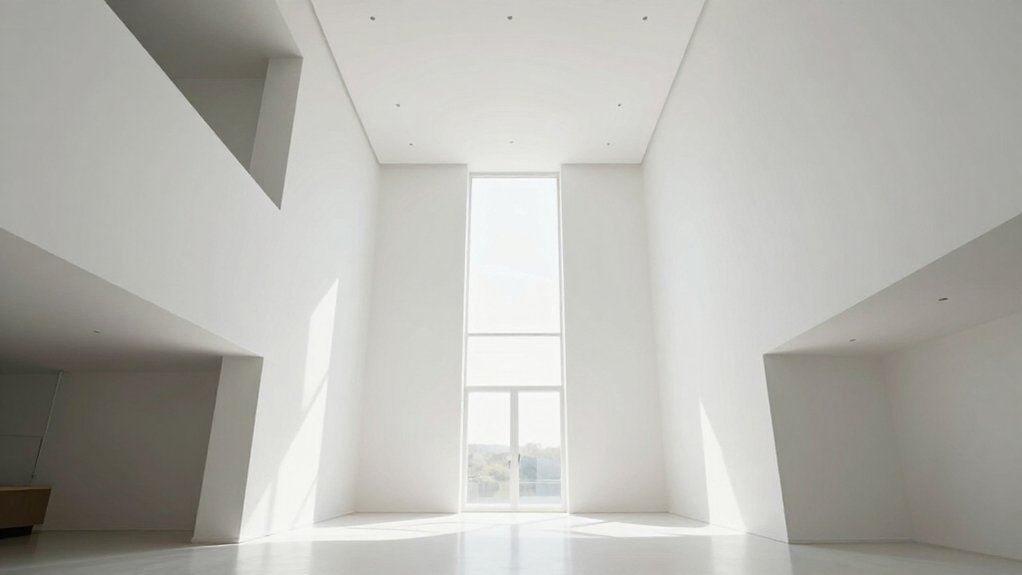
Your ceiling height isn’t just a measurement, it’s a neurological trigger. When you step into rooms with high ceilings, your brain activates abstract thinking, linking vertical space to freedom and creativity. Neuroscience confirms you perceive these spaces as more beautiful, a hardwired response that transcends simple aesthetics.
This psychological appeal directly shapes your experience of perceived space. Higher ceiling height amplifies natural light penetration, creating airy, open interiors that satisfy deep buyer preference. In real estate psychology, this translates to tangible returns: nine-foot ceilings command roughly 11% price premiums over eight-foot alternatives in comparable markets.
You’re not simply buying square footage, you’re purchasing cognitive relief. The market value reflects this neurological reality, your willingness to pay more rooted in primal spatial preferences. High ceilings deliver measurable psychological dividends, and the housing market prices them accordingly.
Recommended Products

BRIGHTEN ANY INDOOR SPACE: This Designers Fountain 9-inch flush mount ceiling light features a durable steel frame and frosted white glass shade in a clean white finish that blends with any décor

Perfect Rustic Design: The farmhouse black lantern pendant light has a strong wrought iron and brushed classic black look with four candle holders of center, this hanging black lantern chandelier design has a antique vintage and Industrial vibe, it will be a stunning and amzing home lighting.

【Newly Upgraded Large Size】 12" L x 12" W x 7.87" H large size, brighten up every corner of your room, make your room fluffy, no longer need to worry about the corner of the darkness
How 9-Foot Ceilings Became the New Standard

When did eight feet stop feeling like enough? You notice it everywhere now: modern homes routinely stretch upward, leaving the old 8 feet behind. The National Building Code still lists that height as standard, with 7.5 feet the minimum for habitable space, yet you’re seeing 9-foot ceilings dominate production homes across markets.
This shift didn’t happen overnight. Builders discovered you crave that open feel, the vertical breathing room that makes rooms expand beyond their footprint. Taller standard ceiling heights allow better daylighting, taller windows, fixtures that command attention. Where 10 feet once signaled luxury, 9-foot ceilings became your new baseline, the expectation rather than the upgrade. High ceilings start above that now. You’re living in the era where nine is the new eight, and your home feels it.
Recommended Products

Perfect for High and Low Ceilings: With the included 5-inch and 8-inch downrods, you can adjust the length as needed to fit various ceiling heights. By suspending this black fan from the ceiling, the downrod creates optimal space for blades to operate, maximizing airflow and circulation throughout the room. Compared to flush mount Ceiling Fan, this ceiling fan modern fits both sloped and flat ceilings. This flexibility is ideal for large spaces, providing a cozier atmosphere that eliminates emptiness.

Smart Control & Customizable Comfort: Operate our 52 inch ceiling fan with light effortlessly via remote or app. Adjust fan speed, light brightness/color and set timers hands-free. The memory function retains your previous wind speed, light settings when turn off the fan through the wall switch

Smart Convenience Everywhere: The DREO smart ceiling fans with lights is compatible with the DREO APP, Alexa & Google Home, allowing you to adjust fan speed and lights easily via voice command or click on App. The customizable preset modes and routines help you create and automate different scenes with just a tap, like reading, working, leisure and nightlight etc.
The Honest Truth About Tall Ceilings: What’s Great and What’s Annoying
That extra foot of overhead changes everything, and you’re about to find out exactly what you’re signing up for. Whether you choose nine feet or push toward ten feet, dramatic ceilings create an open feel that alters how you live.
- Natural light floods your space, bouncing off walls you never knew you had.
- The psychological impact delivers freedom, though researchers admit color and lighting muddy their certainty.
- That airy grandeur amplifies echoes, turning dinner parties into shouting matches without soft furnishings.
- Your wallet feels the squeeze, because energy cost spikes and maintenance demands professional help for burned-out bulbs.
High ceilings command 11% more at resale, so you’re investing in perceived luxury. Just remember: you’re heating air you’ll never touch, and dusting requires equipment you don’t own.
Recommended Products

Concise Design: The Unicozin led track lights has an industrial yet traditional design, the straight line of the track bar pairs with the exposed socket construction and is finished with matte black to complete the perfect minimalist design

Fashion Decor and Industrial Style: Matte black Boostarea LED 4 light track lighting kit with classic lines completes the look with a hint of modern Industrial character. this ceiling pendant light fits perfectly with any style decor from modern Industrial to the farmhouse which is a great idea for your Living Room, Kitchen, Dining Room, Bedroom, Kids Room, Hallway, Porch, Stairwell, Bar, Hotel and Restaurant, coffee shop, art display.

Black 8 Light track lighting fixures ceiling with Long Size: The 55.3'' length allows this kitchen track lighting fixtures ceiling to cover a wide area, perfect for use in open areas such as living rooms, dining rooms or bar, meeting the lighting needs of most spaces; each head can be independently adjusted at an angle to ensure that the lighting needs of different locations, even in longer spaces, this black track lighting is able to focus the light source on a specific area as needed.
Room-by-Room: Where 9-Foot Ceilings Earn Their Keep and Where They Waste Money
Because ceiling height isn’t a one-size-fits-all decision, you’ll want to map your square footage strategically before breaking ground. Nine-foot ceilings deliver optimal cost-effectiveness on your main floor, where open-plan living spaces benefit most from enhanced space perception and abundant natural lighting.
You’ll notice the room feel changes dramatically in kitchens and living rooms, where tall fixtures and vertical volume create genuine architectural impact. High ceilings above 9 feet become situational luxuries, not necessities.
In bedrooms, you’ll find 9 feet sufficient, since comfort and acoustics outweigh the marginal gains of extra height. Smaller rooms waste your budget on disproportionate volume with diminishing returns on heating efficiency.
Prioritize nine-foot ceilings where they count, and you’ll balance openness with practical spending.
Recommended Products

Generous Coverage: 10 pcs of molding trim, each 3.9 ft, totaling 39 ft. Solves the common issue of insufficient quantity for full-room projects. Achieve a consistent look across your home without extra orders

Material Advantages - Our molding trim made of quality polystyrene which offers more strength and impact resistance, ensuring it holds up better to everyday wear and tear, making it a long-lasting addition to your ceiling

[Flexible Molding Trim] 0.3 Inch (thickness) x 0.78 Inch (width) x 16.4 Feet (length). Duzzy Molding trim has a three-dimensional relief pattern, which is very vivid. Wall trim makes your interior decoration no longer monotonous. The self adhesive frame that can be glued to glass is suitable for most home decoration styles. Two different patterns are available for your purchase